
Maho Beach Plane Spotting: Everything You Need to Know
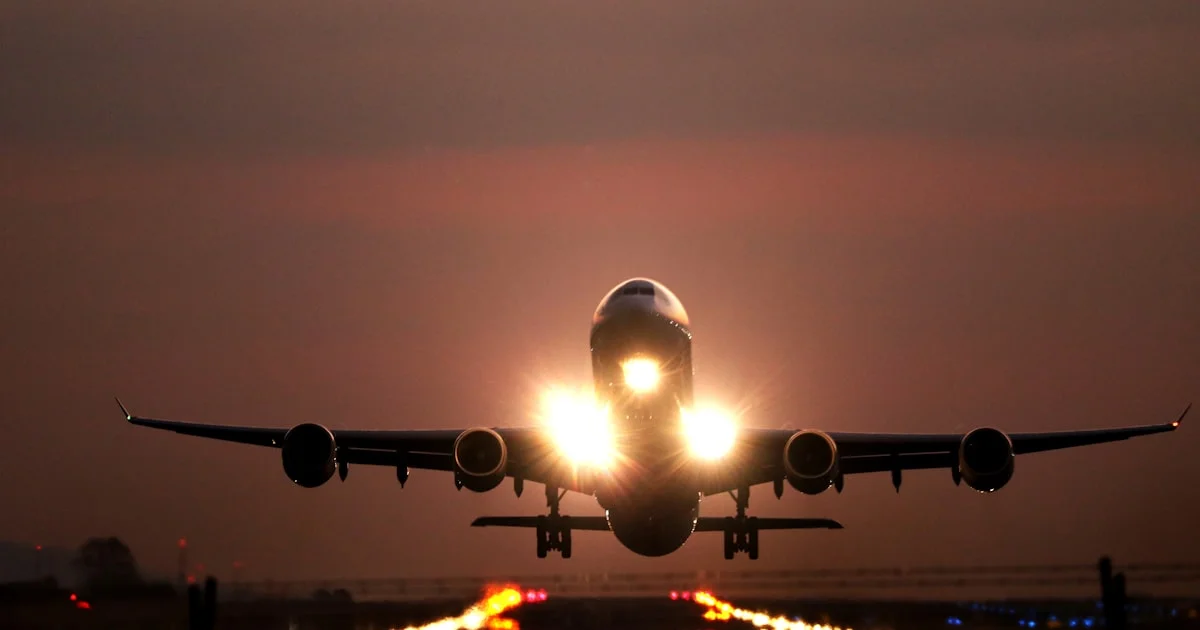
You hear it before you see it. A low, building rumble that vibrates through your chest and makes the water in your drink tremble.
Every head on the beach turns toward the east. Then it appears over the hillside — a wide-body jet, gear down, nose pitched slightly upward, so impossibly low that you can read the airline logo, count the rivets on the fuselage, and see the heat shimmer rolling off the engines.
The shadow passes over you like a fast-moving cloud. The roar swallows every other sound on the beach — the waves, the music from the bar, the screaming of the tourists who are filming with one hand and holding onto their hats with the other.
Sand kicks up in a gritty curtain. And then the wheels chirp on the tarmac just a few hundred feet away, and the whole beach erupts in cheers and applause.
That is Maho Beach. And no matter how many times you experience it, it never gets old.
At a Glance
| Detail | Info |
|---|---|
| Location | Dutch side, west end of SXM Airport Runway 10 |
| Best time for big jets | 12:30 PM -- 5:30 PM |
| Peak season | December -- April |
| Entrance fee | Free |
| Drive from Philipsburg | 25--35 minutes |
| Facilities | Sunset Bar & Grill (food, drinks, restrooms) |
| Tour option | Maho Beach Plane Spotting Tour -- $30/person |
Why Maho Beach is Famous
Maho Beach sits at the western end of Princess Juliana International Airport's Runway 10, on the Dutch side of St. Maarten.
The runway is one of the shortest commercial runways in the Caribbean that regularly handles large jet aircraft, measuring 7,546 feet (2,300 meters). That means pilots have very little room to spare, and their approach takes them directly over the narrow strip of sand that separates the Caribbean Sea from the airport perimeter fence.
The result is one of the most extraordinary aviation spectacles on earth.
Arriving aircraft pass just 30 to 60 feet above beachgoers' heads, depending on the size of the plane. Wide-body jets like the Boeing 777 and Airbus A330 come in so low you feel like you could reach up and touch the landing gear. It is not a trick of perspective or a camera illusion. It really is that close.
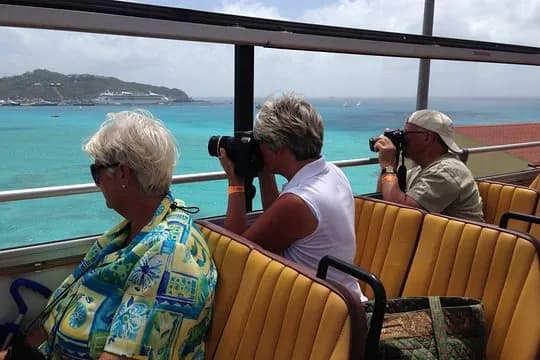
This phenomenon has turned Maho into one of the most photographed beaches in the world and a permanent fixture on every Caribbean bucket list. Aviation enthusiasts fly in specifically for it. Travel shows have filmed it. Social media is flooded with videos.
But nothing — absolutely nothing — compares to standing there in person with the thrust washing over you and the ground shaking under your feet.
Best Times to Visit
Not every moment at Maho delivers the full experience. Timing matters, and a little planning goes a long way.
Afternoon Is Prime Time
The largest aircraft — the wide-body international flights from Europe and North America — typically arrive in the afternoon, roughly between 12:30 PM and 5:30 PM.
This is when you are most likely to see the big jets that create the dramatic low approaches Maho is famous for. Morning arrivals tend to be smaller regional planes, which are still fun to watch but do not produce the same visceral impact.
Pro tip: Before you head to the beach, check the live arrivals board for SXM Airport or use Flightradar24 to see exactly which flights are inbound and their estimated arrival times. This lets you plan your visit around the planes you most want to see.
Once you are at the beach, the Sunset Bar and Grill displays a flight arrival board so you can track what is coming in next without checking your phone.
Seasonal Considerations
Peak cruise and tourism season runs from December through April. This is when the airport sees its heaviest traffic — more large aircraft, more frequent arrivals, and more variety in the fleet mix.
That said, Maho delivers year-round. Even in the quieter summer months, daily flights from Miami, New York, and other hubs keep the runway active.
Weekdays tend to be slightly less crowded on the beach itself, which means more room to stake out a good viewing spot near the fence line.
What to Expect by Aircraft
The experience at Maho changes dramatically depending on what type of aircraft is on approach. That variety is part of what makes spending a couple of hours here so rewarding.
| Aircraft Type | Examples | Altitude Over Beach | Thrill Factor |
|---|---|---|---|
| Small props | Twin Otter, ATR 42 | 80--100 ft | Warm-up |
| Narrow-body jets | Boeing 737, Airbus A320 | 50--70 ft | High |
| Wide-body jets | Boeing 777, 787, A330 | 30--50 ft | Unforgettable |
Small Propeller Planes
The Twin Otters and other small prop planes that service inter-island routes come in relatively high and quiet. They are a warm-up act — a preview of what is to come.
The Main Event: Narrow-Body Jets
When a Boeing 737 or Airbus A320 lines up on final approach, the energy on the beach shifts. People stop their conversations. Phones come out.
These planes pass low enough to fill your entire field of vision, and the sound is a deep, sustained thunder that you feel in your sternum. The jet wash on landing kicks up sand and sends napkins flying off tables at the bar.
Current Fleet (2026)
The fleet serving SXM has changed over the years. The legendary KLM Boeing 747s no longer fly to St. Maarten -- their final service was back in 2016. Today's widebody regulars include the Airbus A330, Boeing 777, and Boeing 787 Dreamliner. You will also see plenty of newer narrowbodies like the A321neo on routes from the U.S. and Europe. If you are searching for a specific aircraft type, check Flightradar24 the morning of your visit to see what is scheduled.
Wide-Body Jets: Unforgettable
The Boeing 777, Airbus A330, and 787 Dreamliner on short final into SXM -- that is an experience you will carry with you for the rest of your life.
The plane is so massive, and flying so incredibly low, that your brain temporarily struggles to process what it is seeing.
The shadow covers the entire beach. The noise is overwhelming — not painful if you are a reasonable distance back, but all-consuming. And when it touches down and the thrust reversers engage, you literally feel the pressure wave push against your chest.
This is the moment everyone talks about. Wide-body jets pass just 30 to 50 feet above the sand. Have your camera on burst mode or video — the planes approach faster than you think.
Departures and Jet Blast
Departures are a different kind of spectacle. When aircraft power up at the end of the runway for takeoff, the jet blast hits the fence line and the beach with tremendous force.
The videos of people hanging onto the fence look fun on social media. In reality, it is reckless and has caused serious injuries and at least one death. See the safety section below for details on staying safe.
The Atmosphere
Maho is not a serene beach retreat. It is a party. The Sunset Bar and Grill pumps music, serves cold drinks and food, and creates a lively, communal vibe.
Tourists from a dozen different countries line the fence with cameras. Someone is always narrating the action for their Instagram live stream. It is chaotic, joyful, and completely unique.
You will high-five people you have never met after a particularly spectacular landing. That is just how Maho works.
Budgeting Your Maho Beach Day
If you are dedicating your day to experiencing Maho Beach, here is what you can expect to spend.
| Expense | Cost Range |
|---|---|
| Round-trip taxi (from cruise port) | $40 -- $50 |
| Chair & umbrella rental (optional) | $15 -- $20 |
| Lunch & drinks at Sunset Bar | $30 -- $45 |
| Total estimated day | $85 -- $115 per person |
Save money: Our Maho Beach Plane Spotting Tour is $30 per person including round-trip transport and a cold drink — cheaper than a taxi both ways.
Safety Tips & Jet Blast Warning
Maho Beach is thrilling precisely because the planes are so close. That proximity comes with real risks you should take seriously.
-
Never stand against the fence during takeoffs. Jet blast from a departing wide-body can exceed 100 mph. People have been knocked off their feet, slammed into concrete, and suffered broken bones, lacerations, and concussions. In 2017, a tourist died from injuries sustained after being blown into a concrete barrier by jet blast. Stay well behind the marked safety lines.
-
Protect your electronics. During takeoffs, the blast kicks up a wall of sand that will sandblast camera lenses, phones, and sunglasses. Turn away from the blast, shield your gear, or keep it in a bag until the aircraft clears.
-
Keep a firm grip on everything. Hats, towels, beach chairs, bags -- anything not weighted down or strapped to your body will go airborne during a departure. Keep valuables in a zippered bag pressed against your body.
-
Watch departures from a safe distance. The spectacle is just as impressive from 50 feet back. You do not need to be at the fence to feel the power, and the risk drops dramatically with every step away from it.
-
Wear sunscreen. The sun is intense between 11:00 AM and 3:00 PM, which overlaps with prime plane-spotting hours. SPF 30 minimum. Reapply after swimming.
-
Swim with caution. Maho faces the open Caribbean and the waves can be surprisingly strong. The surf kicks up during departures. No lifeguards on duty.
-
Hearing protection is optional but worth it for extended stays near the fence. A pair of foam earplugs makes the experience more comfortable without diminishing the spectacle.
Beyond the Planes
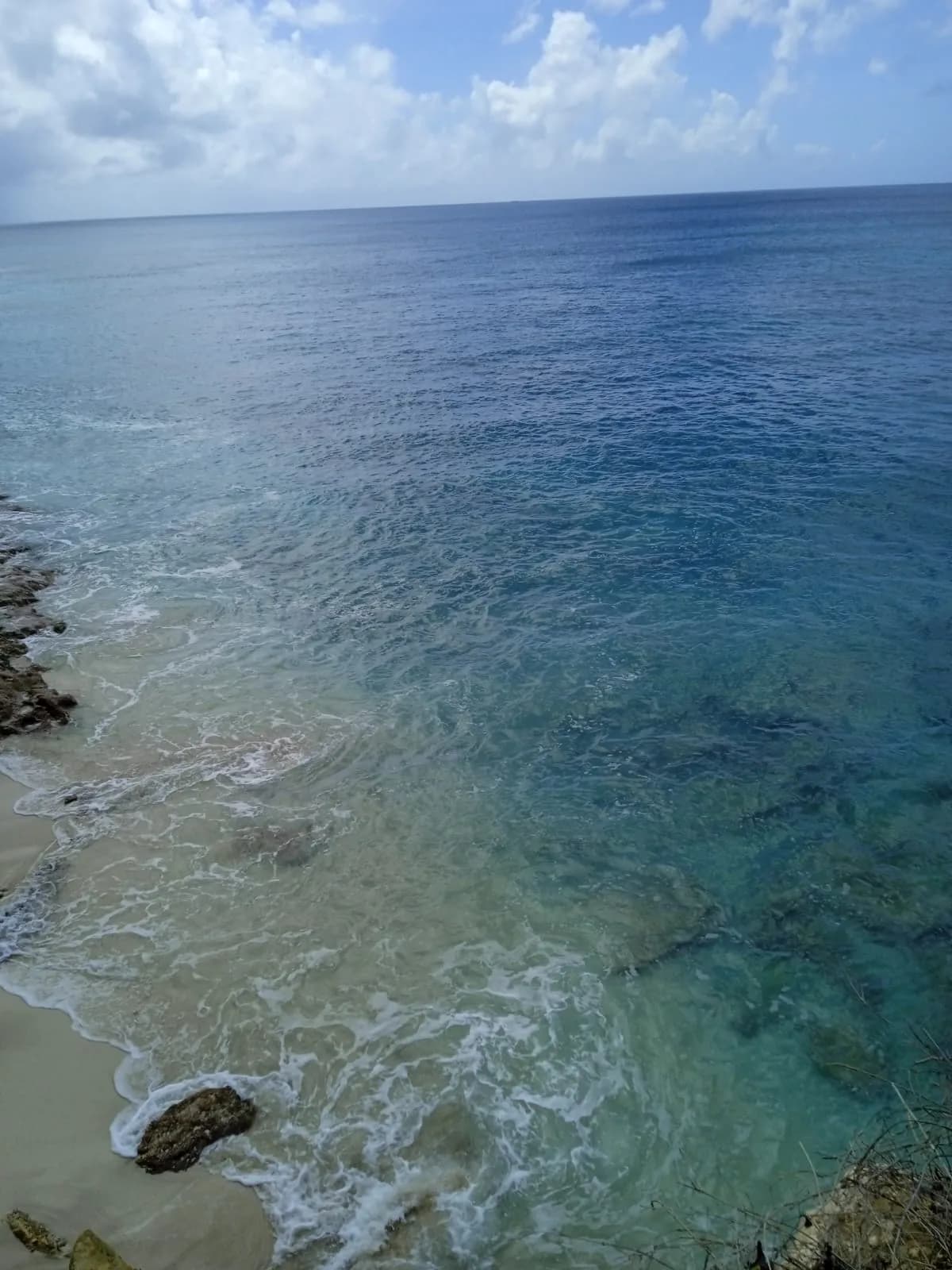
Between flights, Maho is a perfectly pleasant Caribbean beach. The water is warm and clear, the sand is soft, and the swimming is good when conditions are calm.
Sunset
If your schedule allows, stay for sunset. Maho faces west, directly into the setting sun, and the view across the Caribbean as the sky turns gold and pink is stunning. Late-afternoon flights silhouetted against a sunset sky make for the most dramatic photographs you will ever take.
Nearby Beaches
Mullet Bay Beach is just a short walk south from Maho and offers a longer, quieter stretch of sand with excellent swimming and snorkeling. Simpson Bay Beach, a few minutes further, is another great option with calm water.
If you have a full day on the island, combining Maho with one of these neighboring beaches makes for an excellent itinerary. If the jet blast gets too intense, check out our guide to the best beaches in St. Maarten for quieter alternatives.
The Boardwalk and Shops
The small commercial area around Maho Village has shops, restaurants, and a casino. It is convenient for grabbing lunch, picking up souvenirs, or ducking into air conditioning for a few minutes.
How to Get There
Your ship docks in Philipsburg on the eastern side of Great Bay. Maho Beach is on the western side of the island, about 25 to 35 minutes away by car depending on traffic. It is not walkable.
Public bus: Catch a bus from Emmaplein in Philipsburg heading toward Mullet Bay or Maho. The fare is about $2.50 one way. Buses run frequently during the day but can be unpredictable on timing, so allow extra time.
Taxi: Available at the cruise terminal on a fixed-rate system. Government-set fare is $20 for 1-2 passengers, plus $9 per additional passenger. Confirm the rate before you get in, and arrange a pickup time for the return trip.
Guided Tour: Our Maho Beach Plane Spotting tour is $30 per person including round-trip transport, a cold drink, and about two and a half hours of beach time. The guide knows the flight schedule and will get you there when the big planes are arriving. It is cheaper than a taxi round trip and you do not have to worry about logistics.
Rental Car: If you are staying on the island, renting a car is straightforward. Parking near Maho Beach is very limited and fills up fast on busy days -- arrive early or skip the car and take a tour instead.
Plan for the Simpson Bay bridge. The drawbridge at Simpson Bay opens several times a day for boat traffic, and when it does, traffic stops in both directions for 15 minutes or more. Check the bridge schedule before you leave, or budget extra time.
If you want to see more of the island beyond Maho, the Island Highlights Tour includes a Maho Beach stop along with nine other locations across both sides of the island. For a complete overview of all your options, see our shore excursions guide.
Frequently Asked Questions
Is Maho Beach free to visit?
Yes. Maho Beach is a public beach with no entrance fee. You can use the beach, watch the planes, and swim without paying anything. The Sunset Bar is a commercial establishment where you can buy food and drinks, but there is no obligation.
Can I bring children?
Absolutely. Kids love Maho Beach — the planes are endlessly exciting for them. Just keep them well away from the fence during departures, apply sunscreen generously, and bring ear protection for toddlers and infants.
How long should I plan to spend there?
Two to three hours is the sweet spot. That gives you time to see several landings (including at least one or two large jets if you time it right), swim, grab a drink, and soak in the atmosphere.
What is the best spot for photos?
For landing shots, the stretch of beach closest to the fence at the eastern end gives you the most dramatic low-angle view. For departure jet blast footage, position yourself 50 feet or more from the fence to stay safe while still capturing the action. A wide-angle lens or your phone's ultra-wide mode helps at such close range.
Maho Beach is one of those rare places where reality exceeds the hype. You have seen the videos. You have scrolled past the photos. But until you are standing there with the sand vibrating under your feet and a 200-ton aircraft passing close enough to touch, you do not truly understand what makes this place extraordinary.
Put it on your list. Then come see it for yourself.